
Wildlife Help Desk
Found wildlife - Need help?
NC Wildlife Rehab rehabilitates mammals, reptiles, and amphibians. We are not permitted to rehab birds, bears, coyotes, fawn, raptors, or waterfowl. By law, we can only transport these species to the licensed rehabilitators or permitted facilities for continued care. We can humanely euthanize any of these species, if needed.
If you find an injured, orphaned, trapped, or sick wildlife, please contact NC Wildlife Rehab immediately at 704-877-3037.
Emergency Instructions:
Safety first - you and the animal.
Do NOT handle the animal with bare hands. Use gloves or a thick towel.
Secure the animal in a ventilated box or carrier.
Keep the animal warm (heating pad on low under carrier, rice sock, hand warmers but no direct skin contact).
Do NOT feed the animal, especially babies.
Place in a warm, dark, quiet area away from pets and children.
Text a photo and your location immediately to 704-877-3037.
If you are observing a nocturnal species (foxes, opossums, raccoons, skunks) during the day, their presence does not equate to rabies. During the spring, the moms emerge during daylight hours to forage for food while the offspring are sleeping. During the winter months, both genders emerge during the day while temperatures are warmer to conserve energy at night. If the animal is behaving abnormally in other ways (unstable coordination, lethargic, head pressing, etc.), please text us immediately for further instructions.
🚨 UNIVERSAL RULE
If the animal is injured, orphaned, hit by vehicle, attacked by pet, trapped, or you are unsure:
Text NC Wildlife Rehab: 704-877-3037
Species Specific Guides
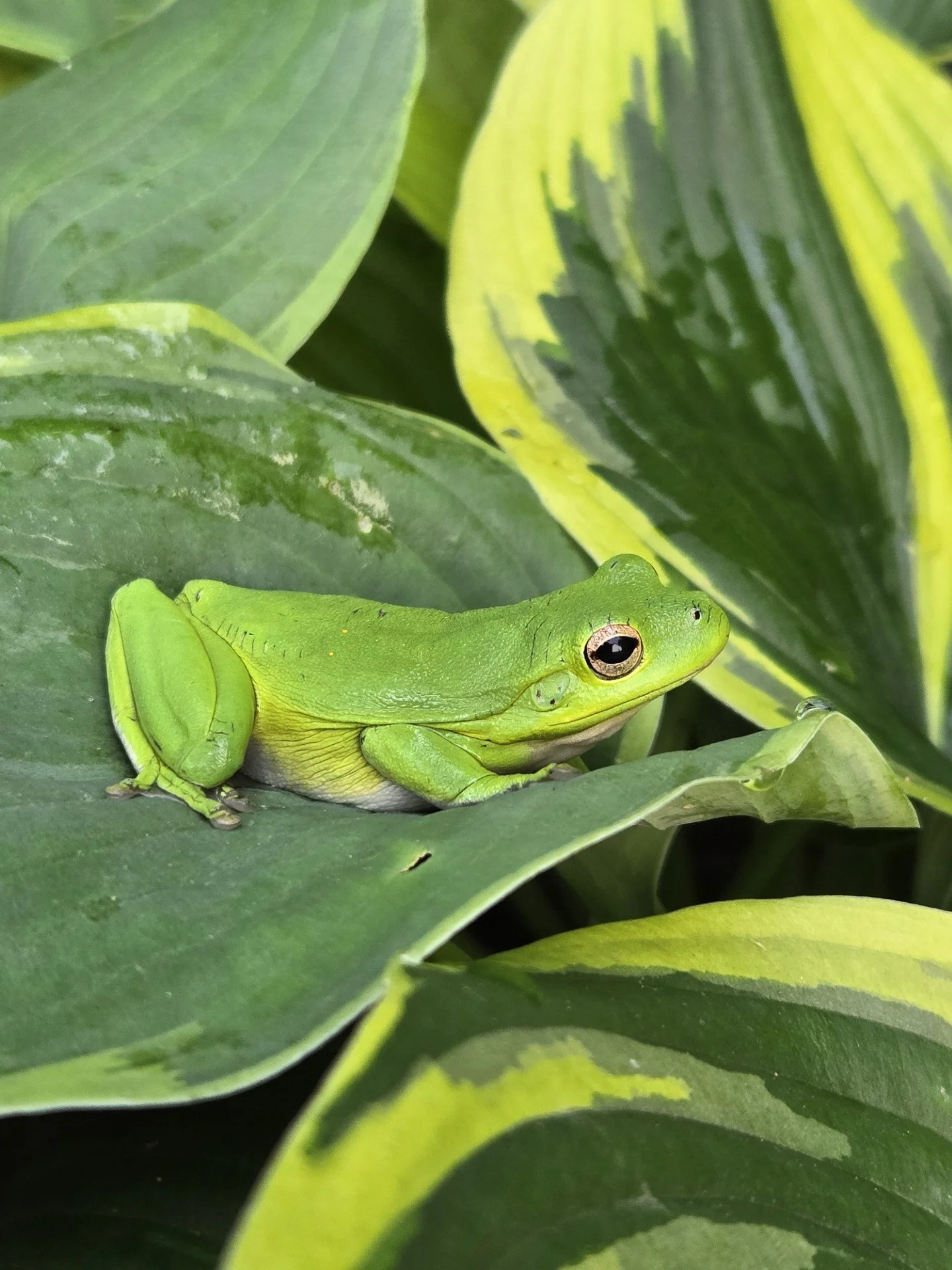
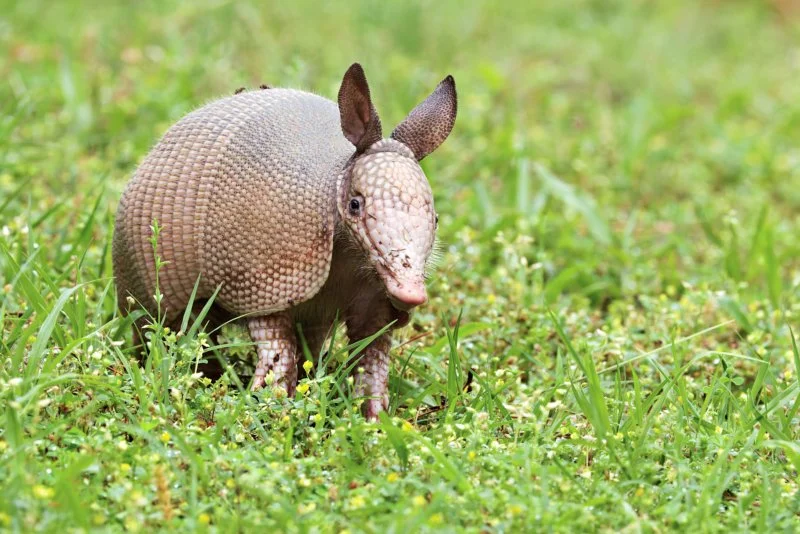
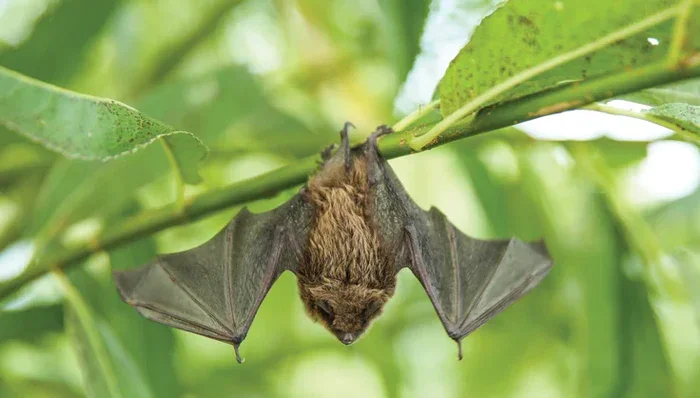
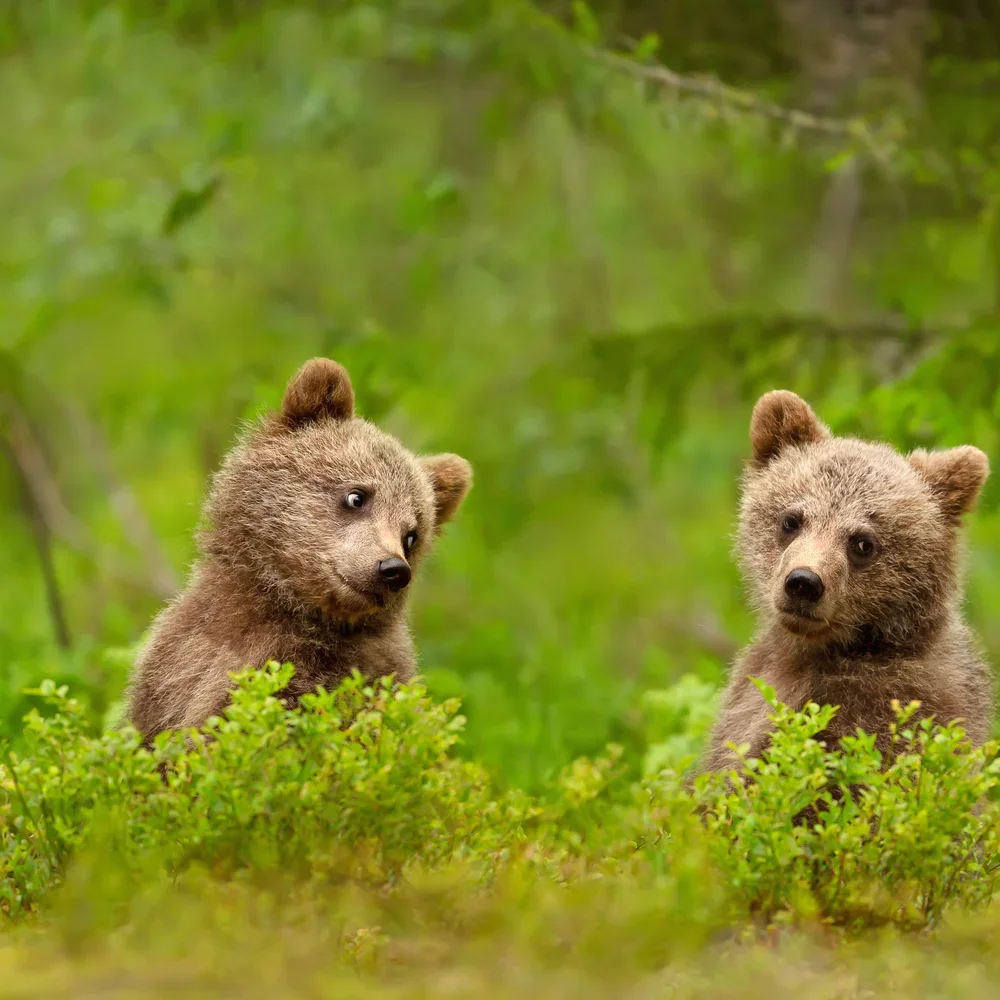
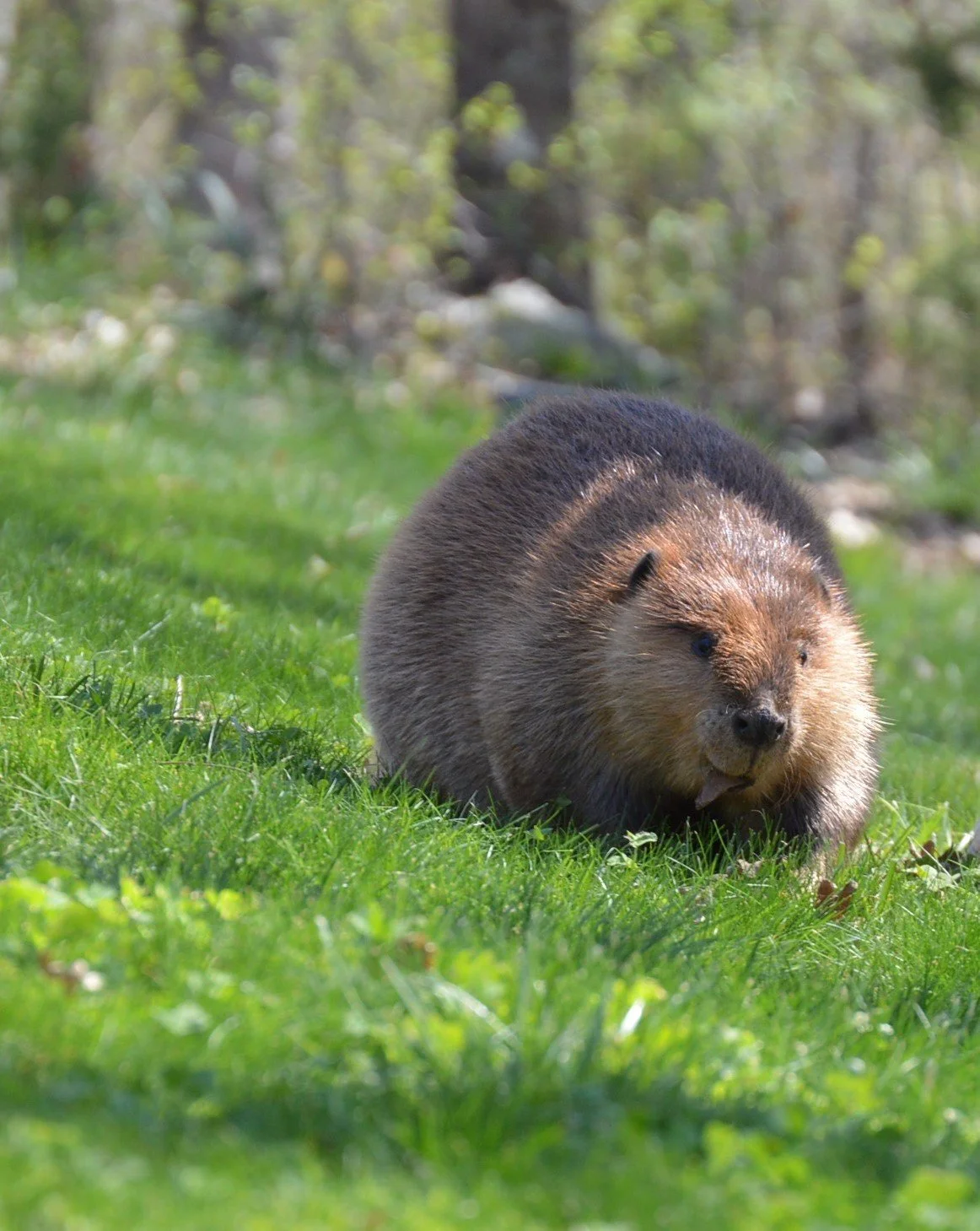
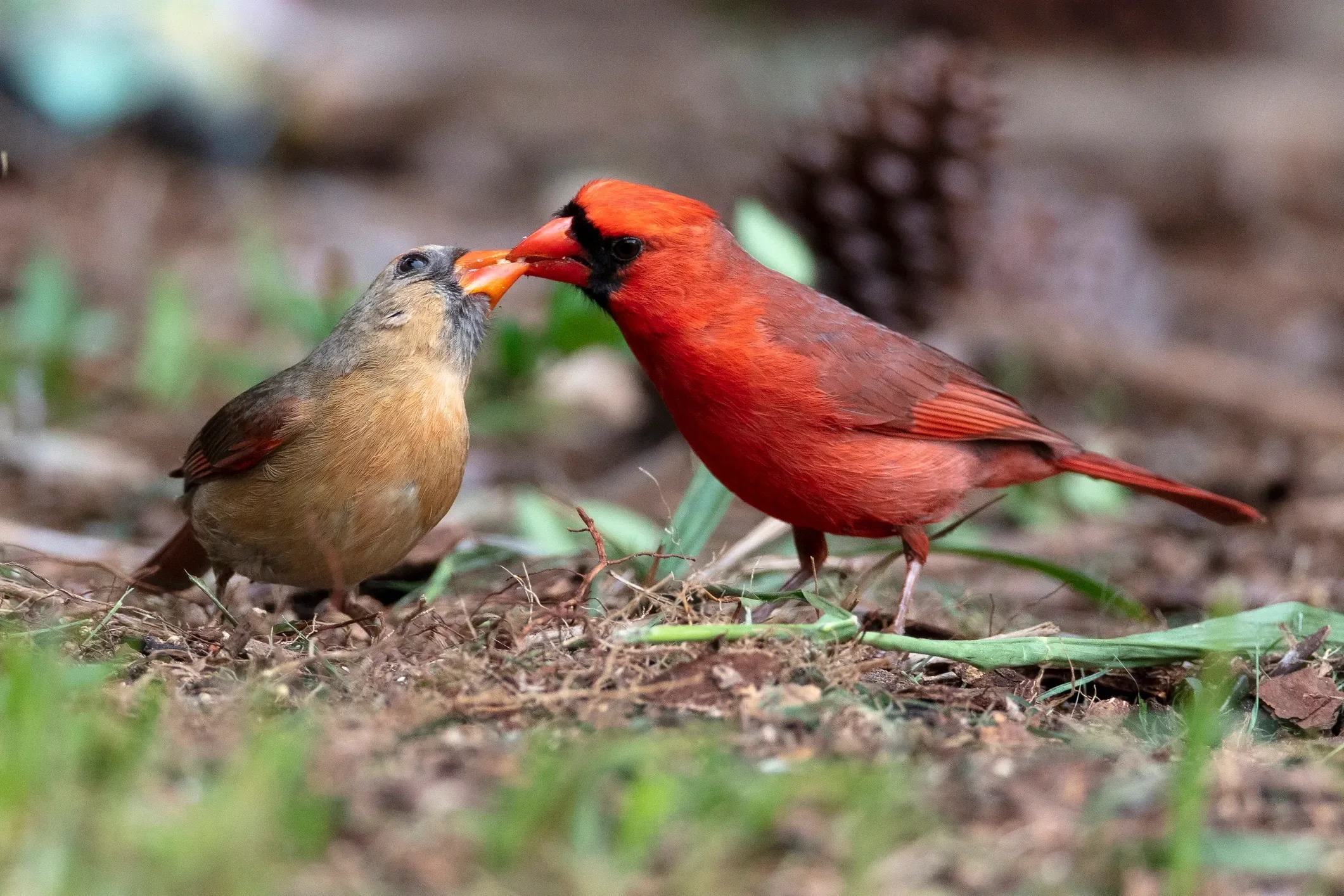
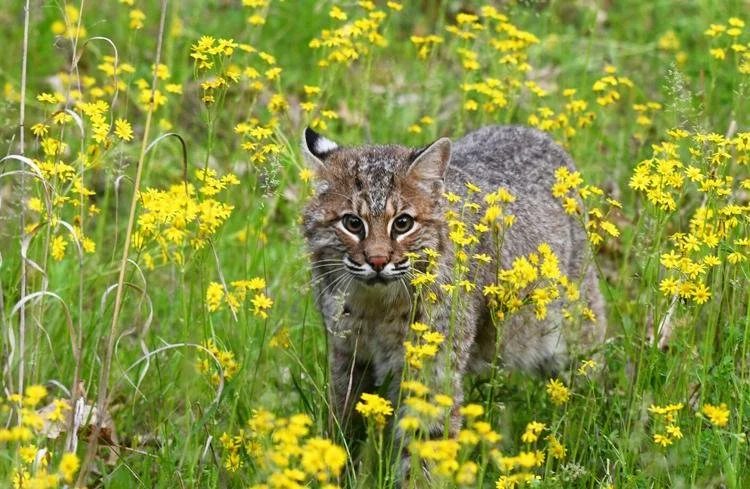
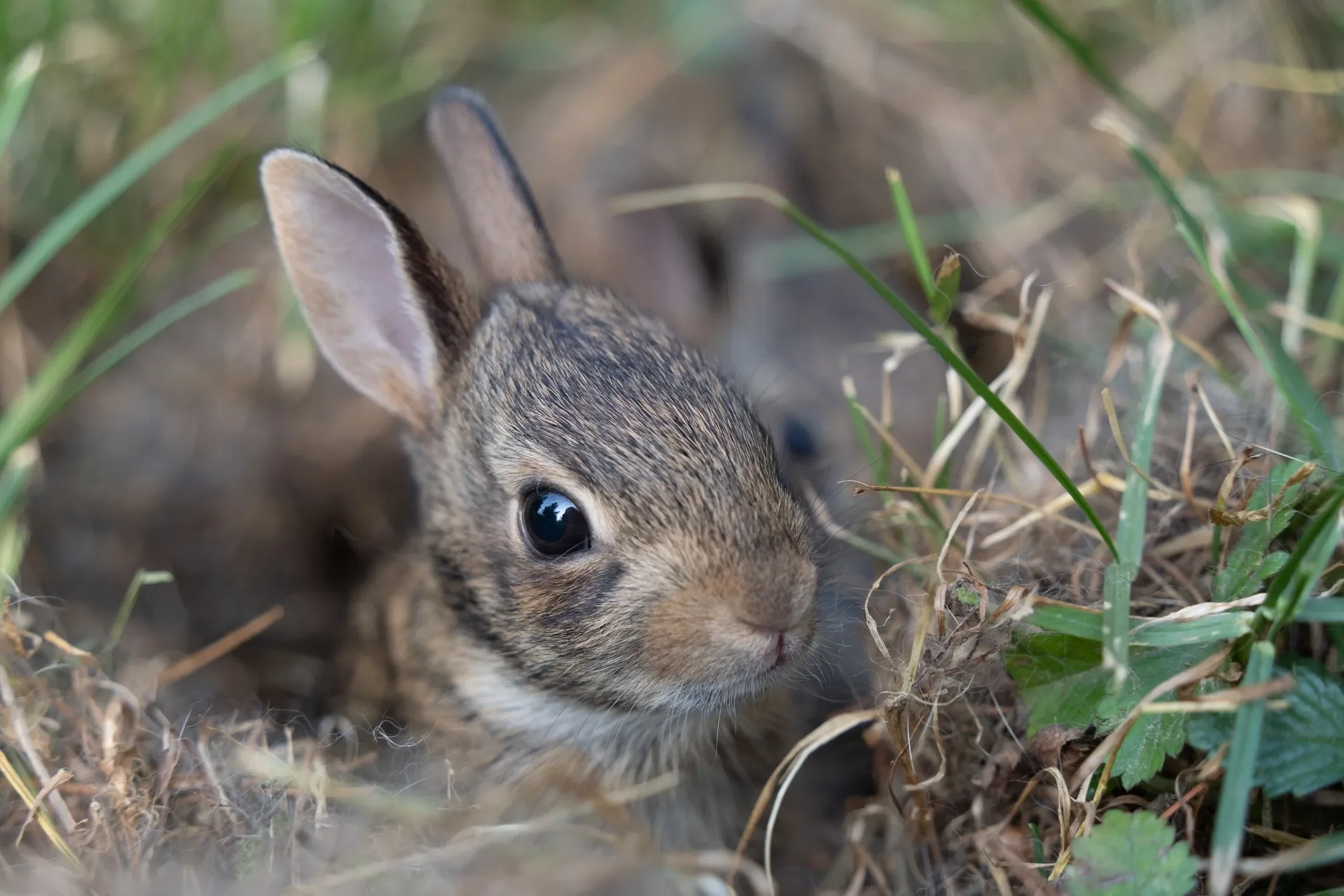
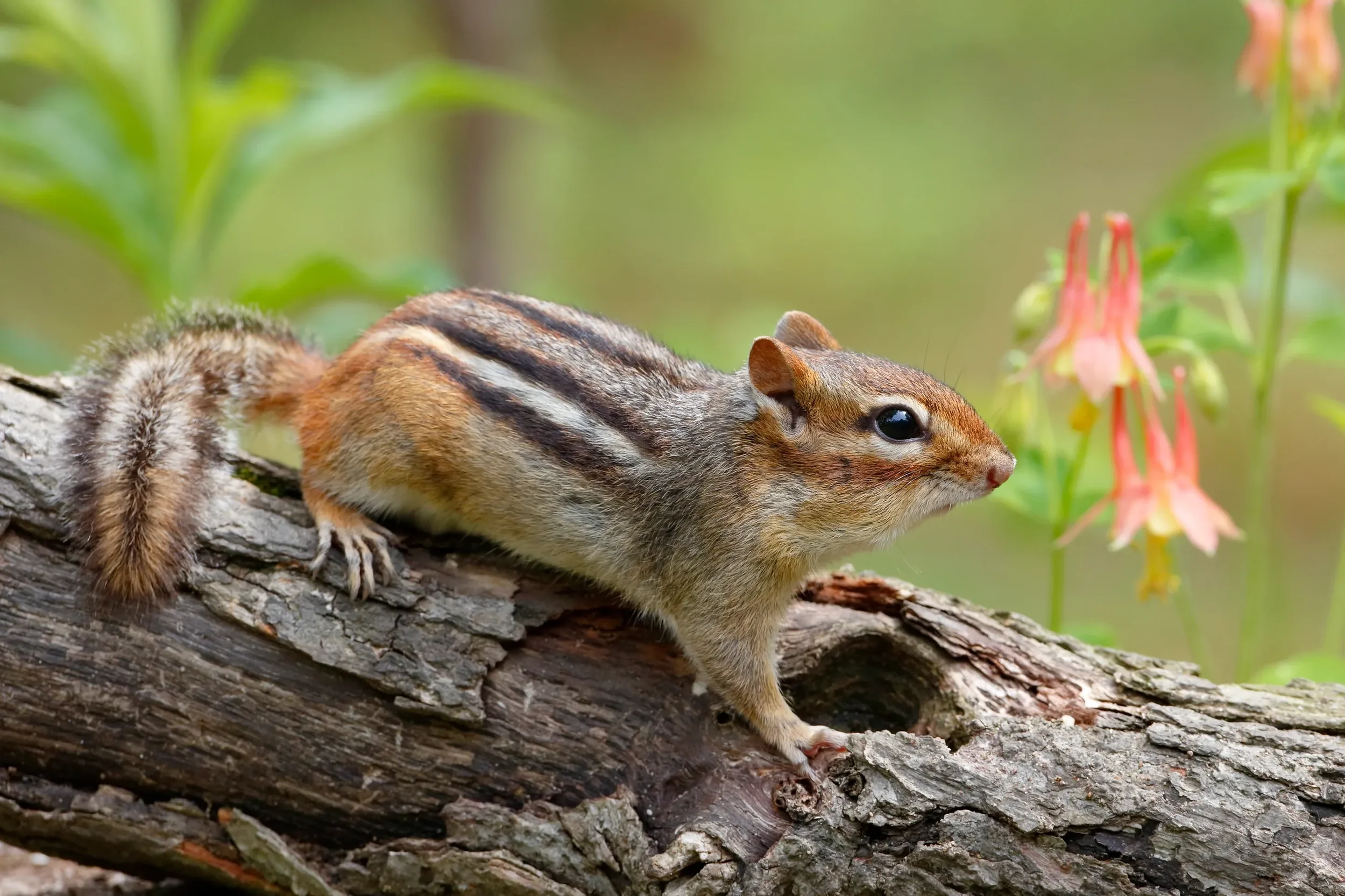
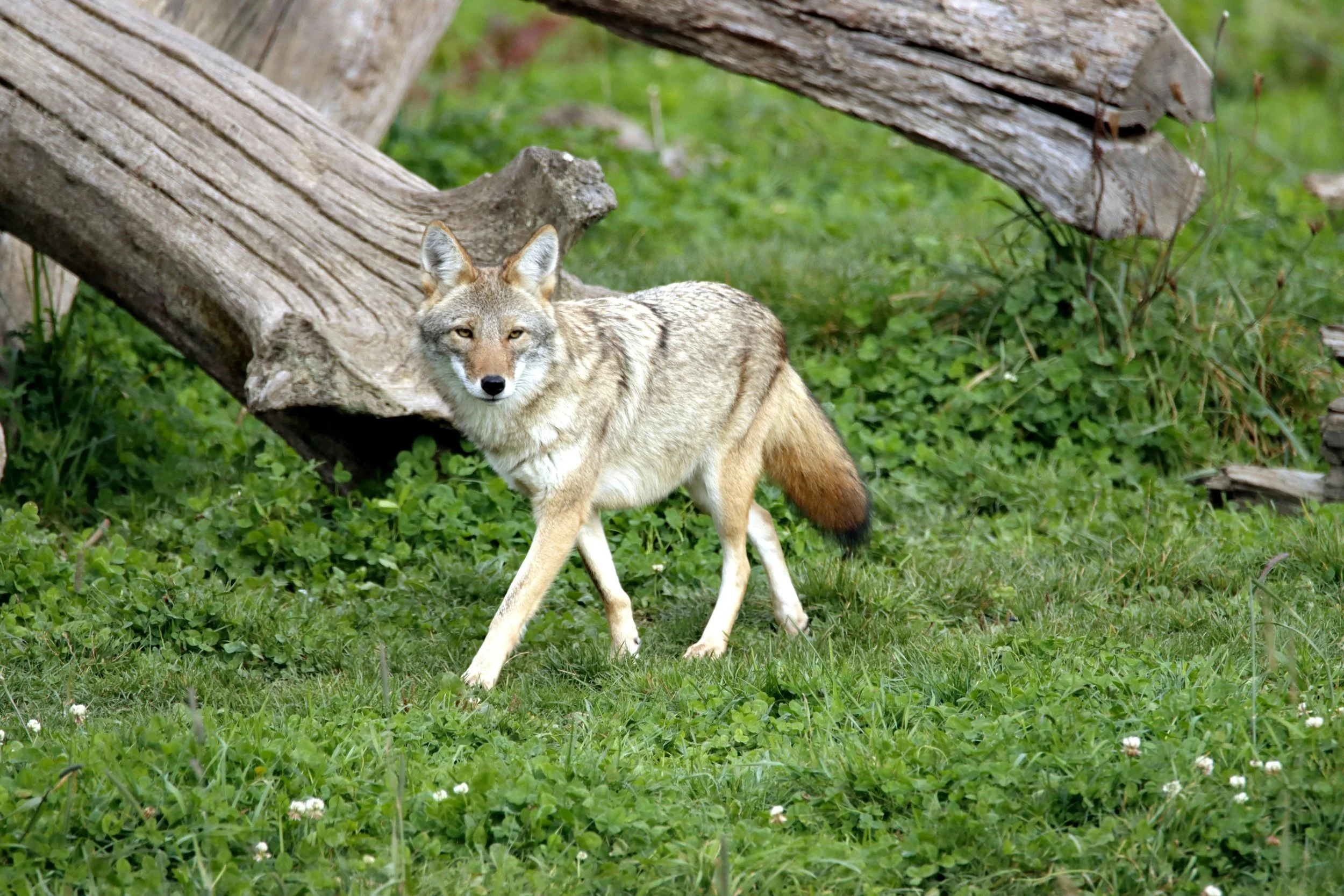
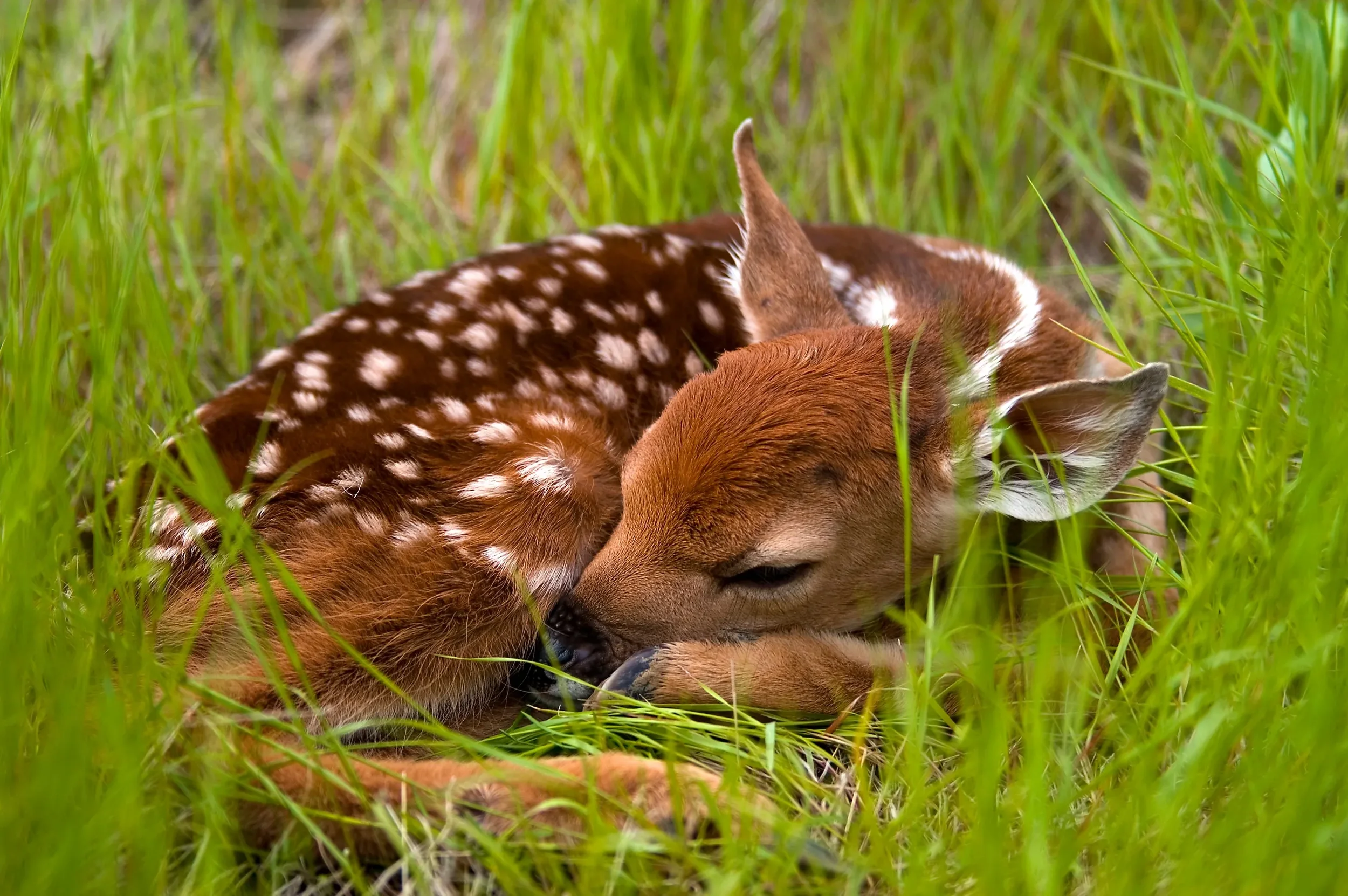
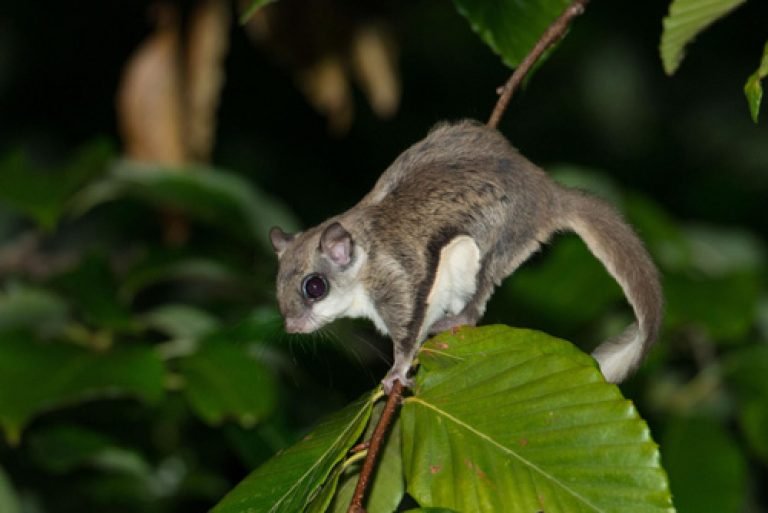
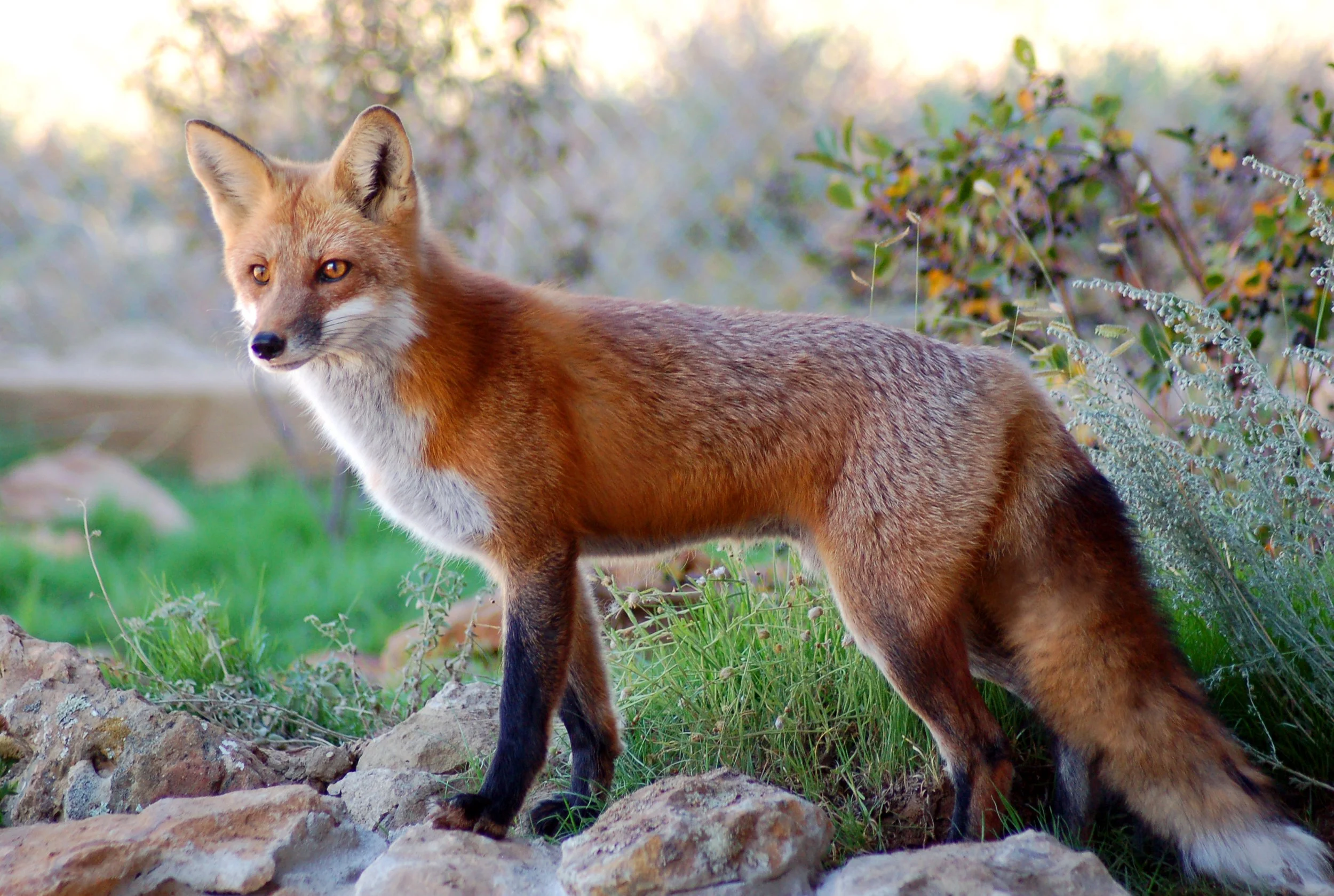
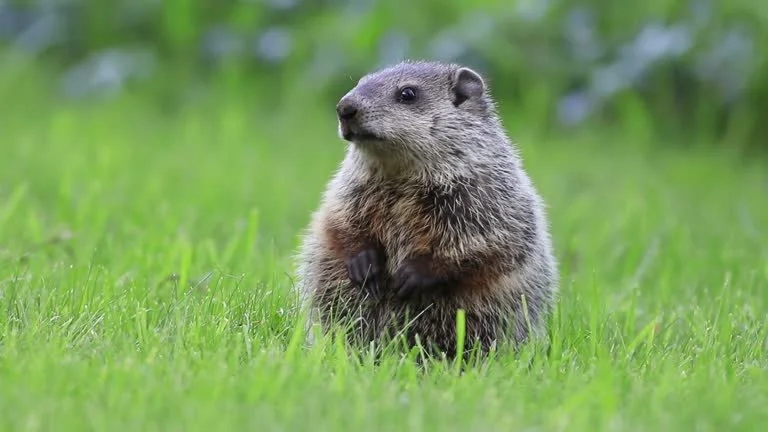
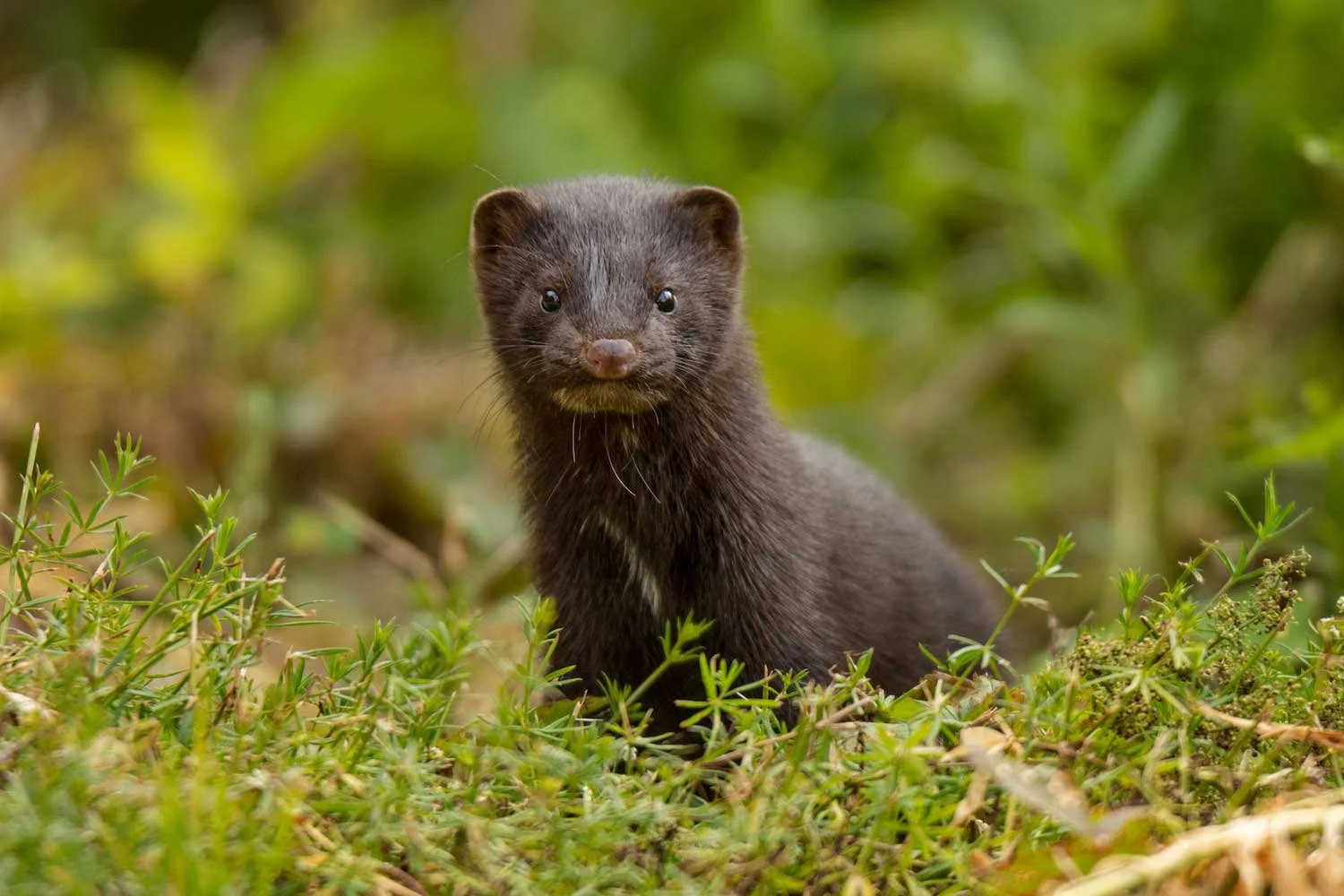
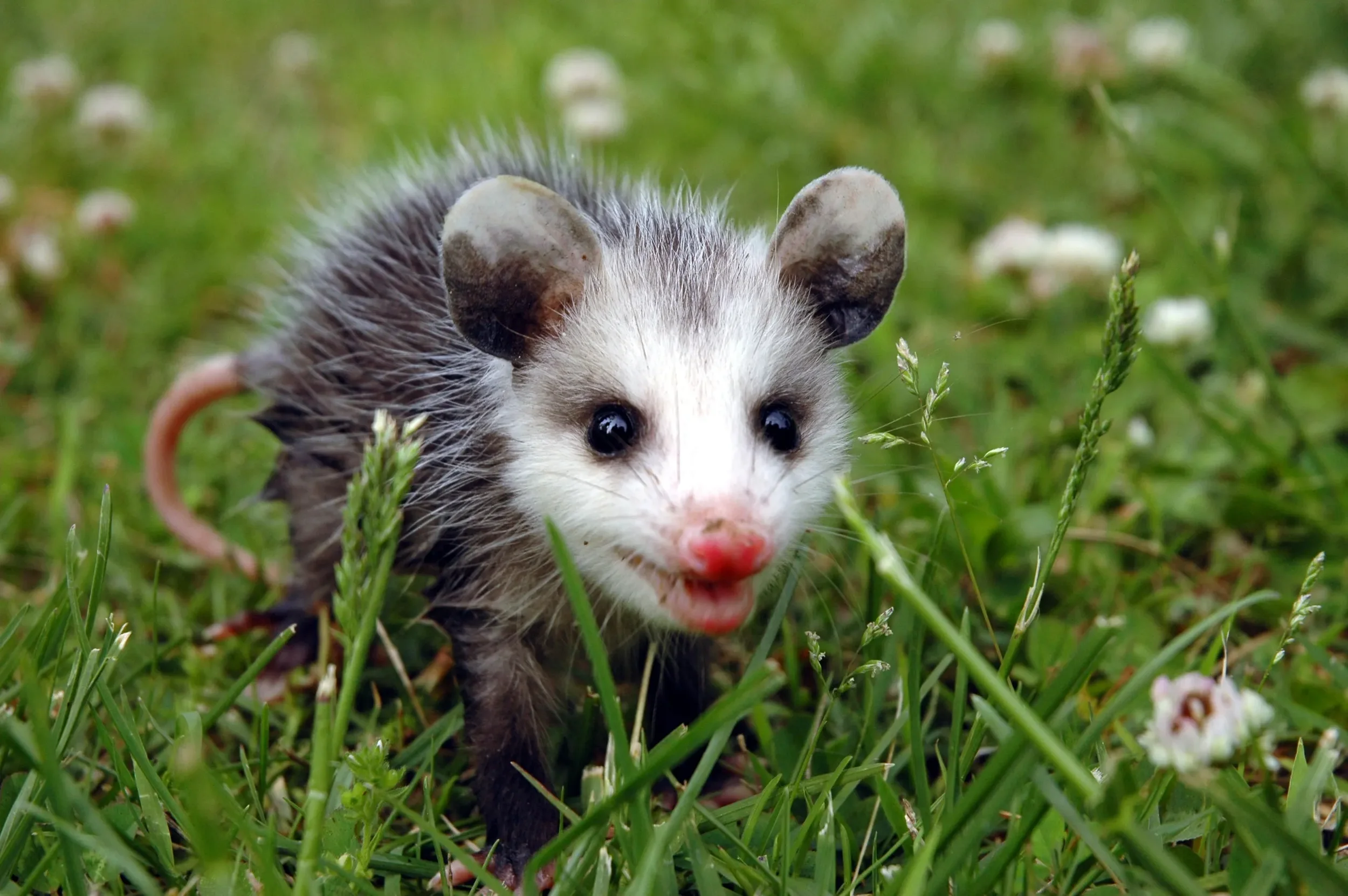
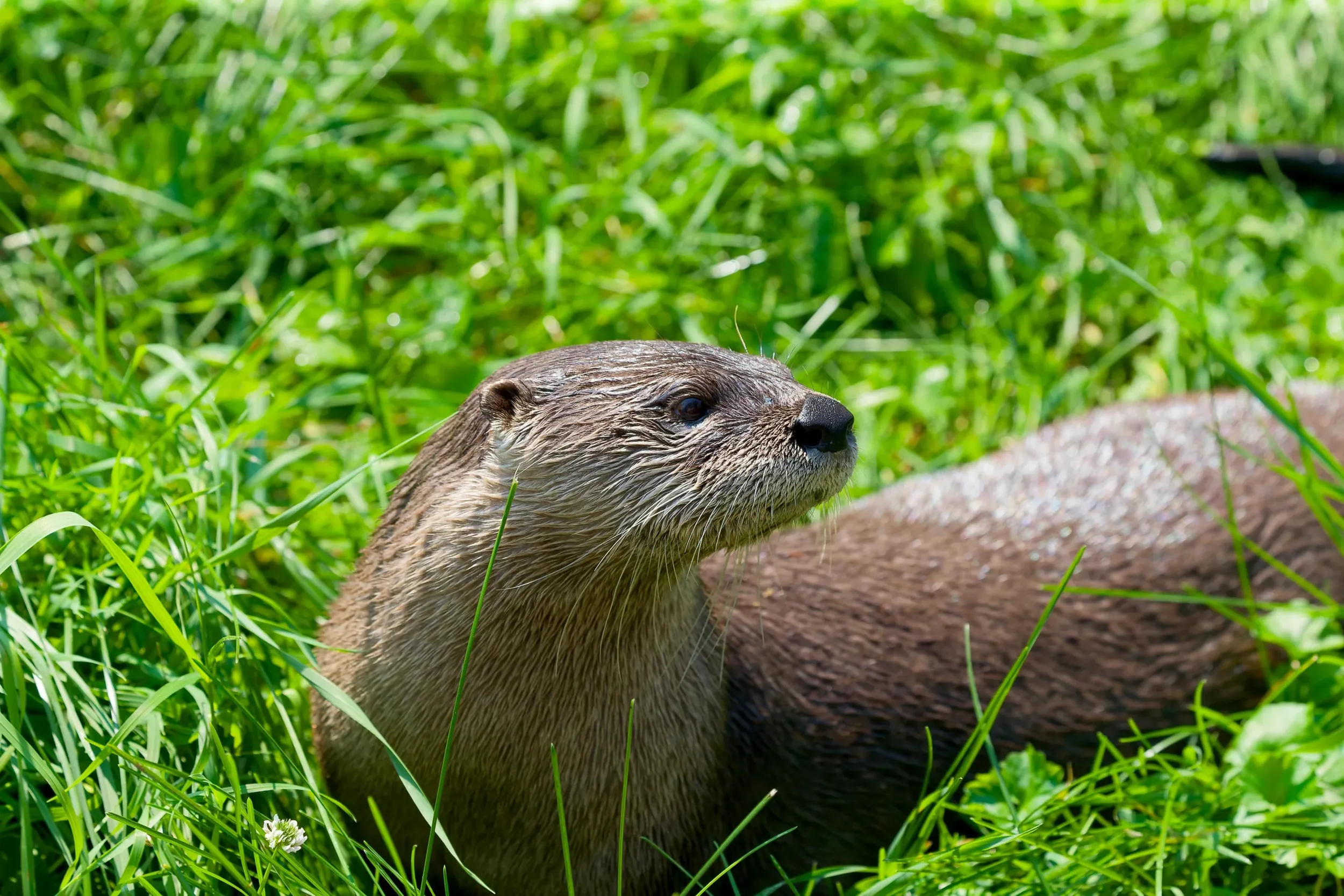
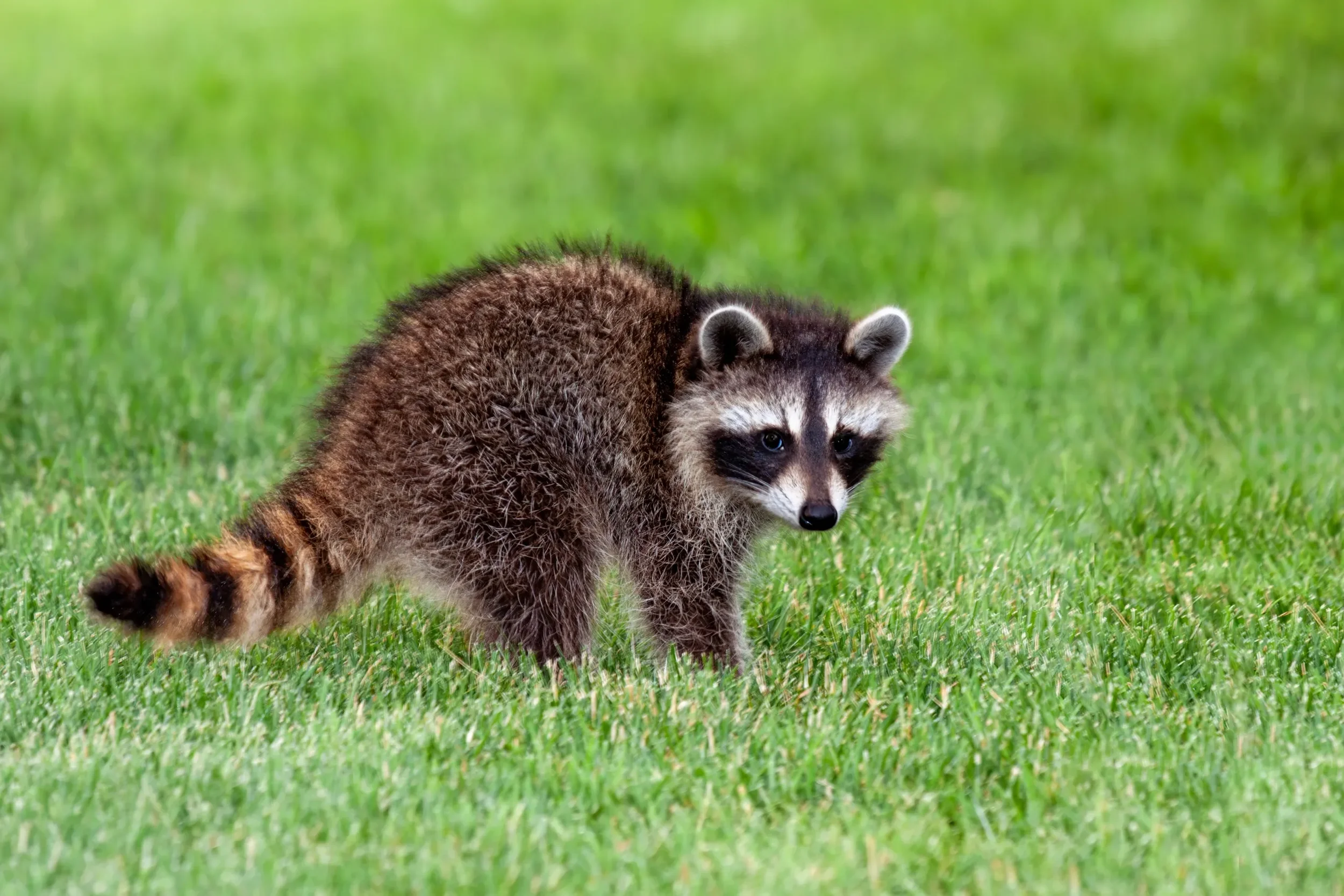
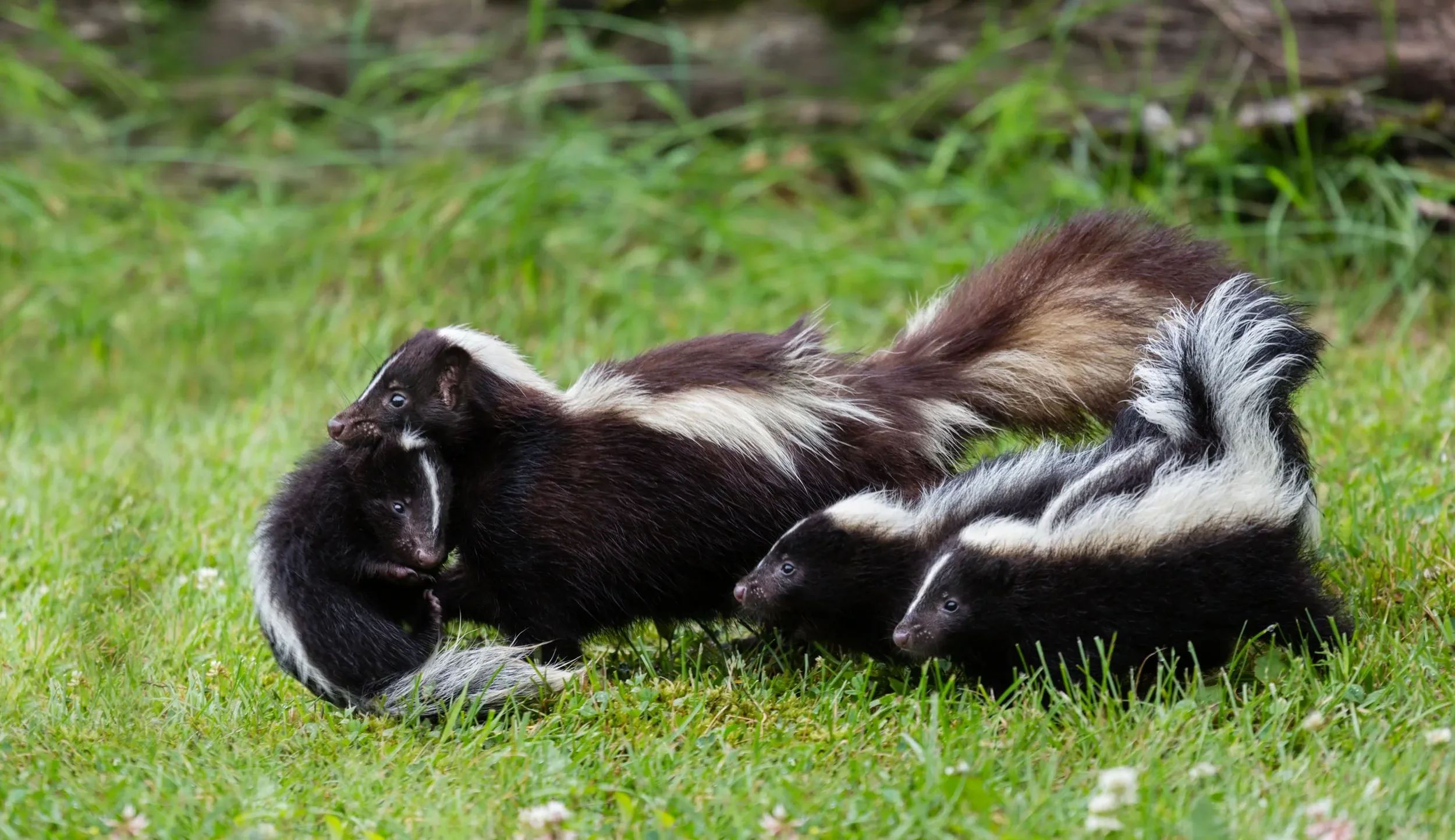
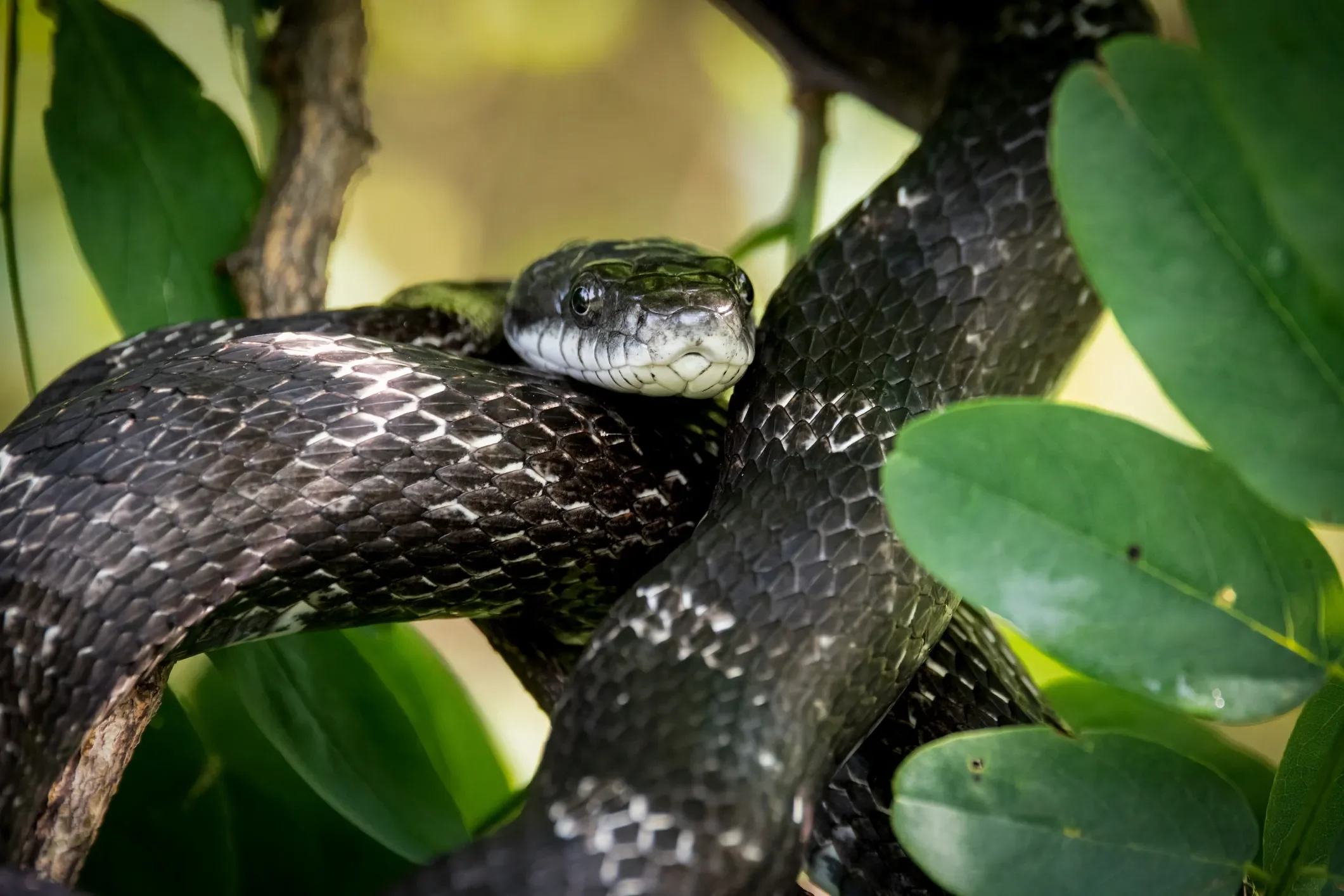
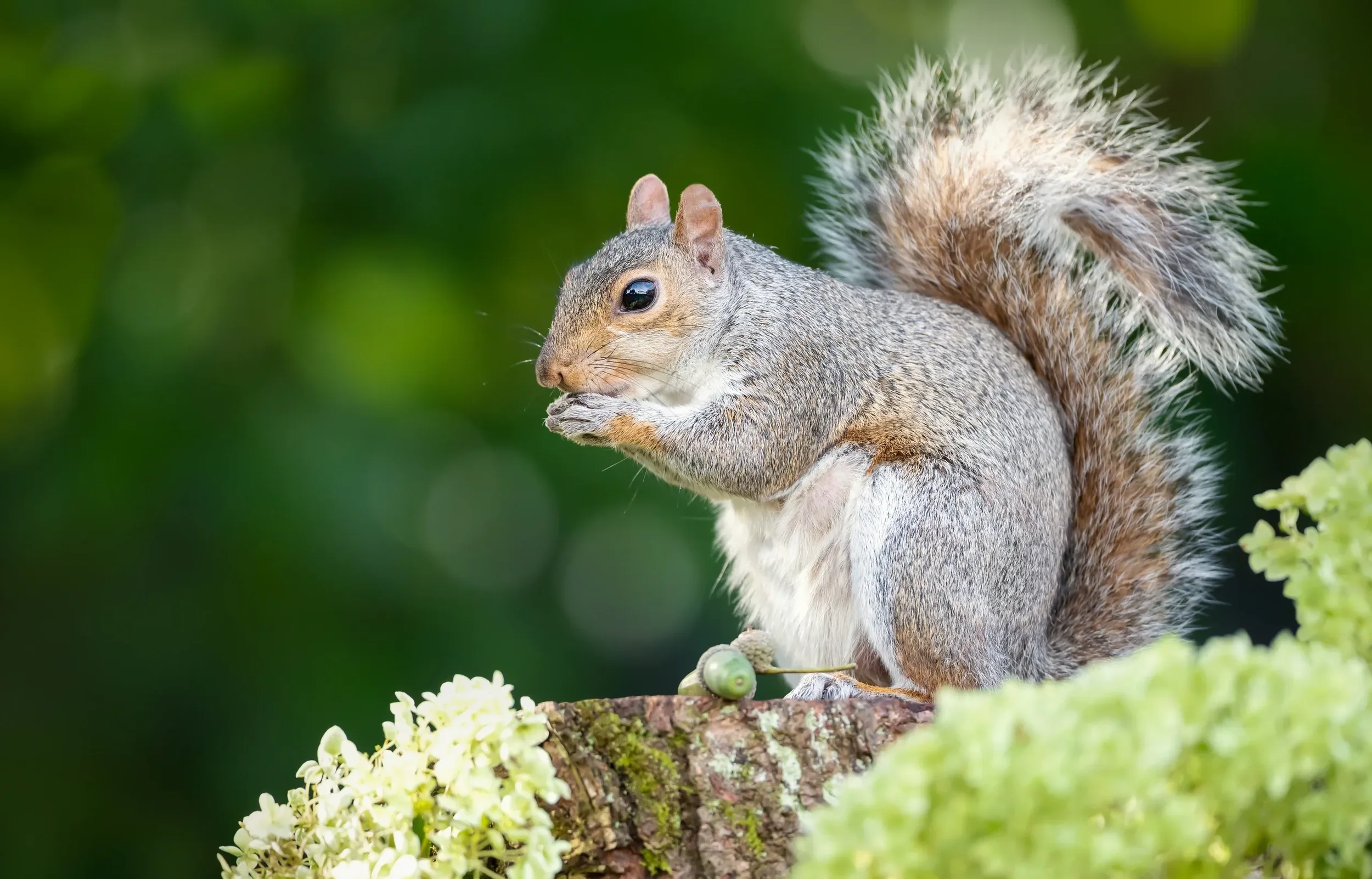
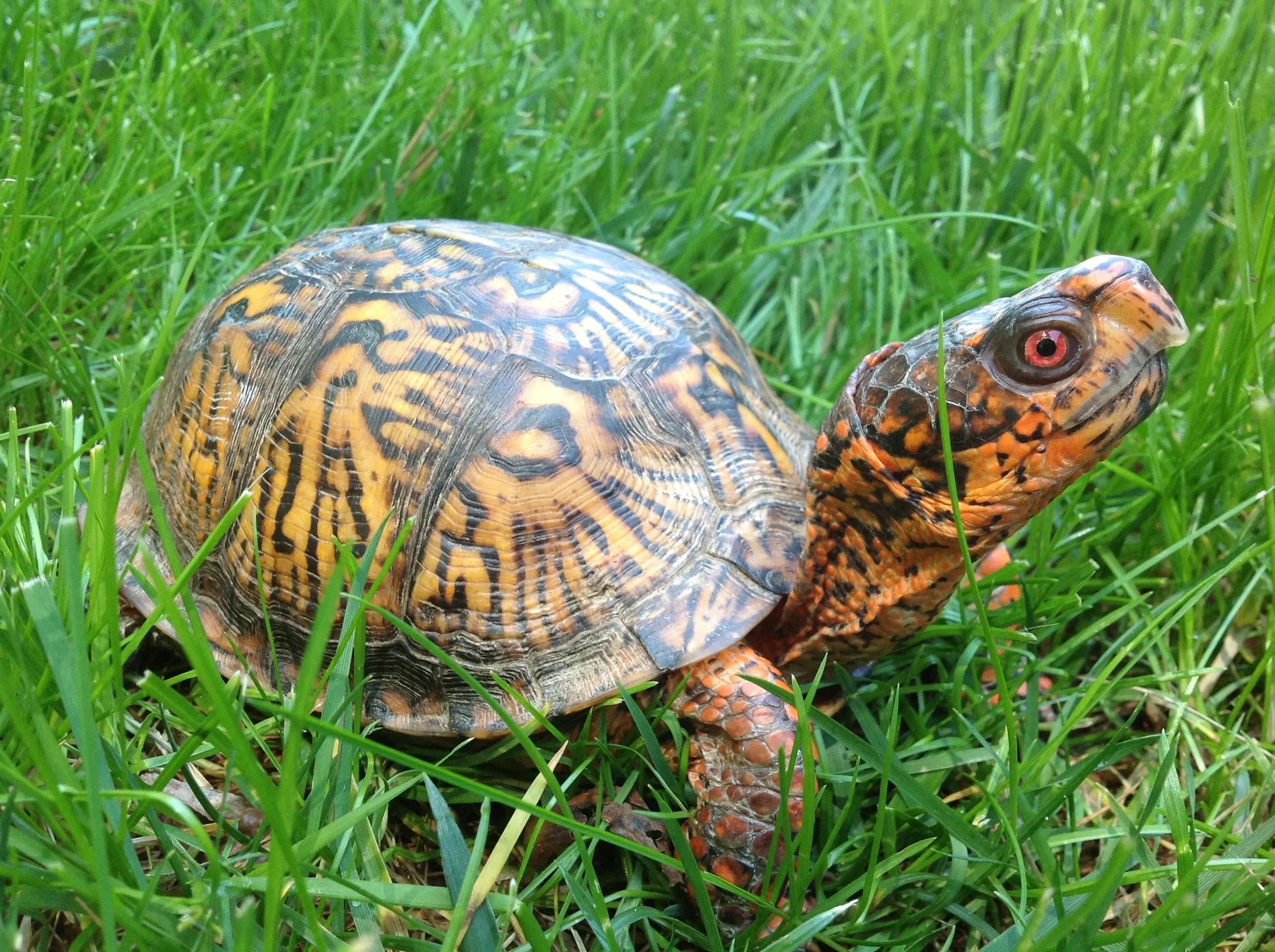
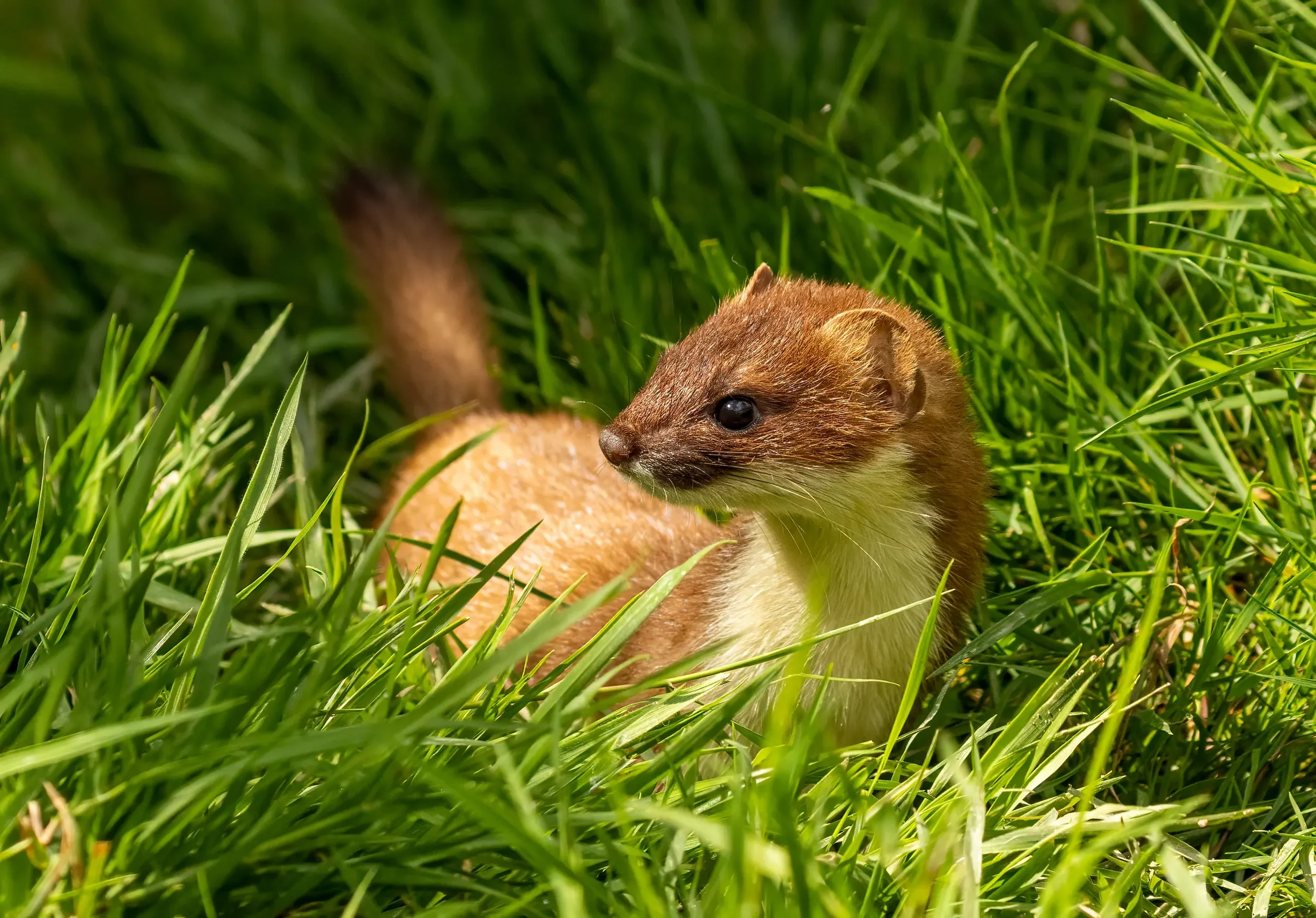
As natural habitats become fragmented and destroyed, encounters between people and wildlife are increasingly common. When wildlife is improperly relocated, there is a high risk of spreading disease and orphaning dependent young. For these reasons, state law prohibits trapping and relocating wildlife.
Wild animals are simply trying to adapt and survive in environments that humans have altered. Because we play a role in the loss of their natural habitats, it is our responsibility to learn how to coexist with wildlife whenever possible.
Humane Ways to Evict Unwanted Wildlife
There are effective, humane methods to encourage wildlife to move on without causing harm by making the area less appealing, including:
Loud noises (loud radio or wind chimes)
Soaked apple cider vinegar rags or cotton balls - other odors they do not like include peppermint oil, predator urine such as fox, coyote, or human
Repel-All (all natural ingredients and not harmful to children or pets)
DO NOT use mothballs (harmful to humans and animals)
Moving objects (helium balloons with eyes at waist level, hanging old cds, aluminum pie pans, reflective tape, inflatable air dancers
Motion activated sprinklers
Motion activated Halloween decorations (jump up or scream!)
These options are inexpensive, easy to implement, and often successful.
Important Considerations
Wildlife removal services can be costly, and some removal methods usually result in injury or death to the animal. Whenever possible, humane exclusion and deterrence should be the first approach.
If you need guidance or have concerns about wildlife on your property, please contact NC Wildlife Rehab (Ruby Davis) at 704-877-3037 for advice and support.
Lastly, daylight saving time changes can impact wildlife movement. Please remain alert and cautious when driving, especially during dawn and dusk hours.