
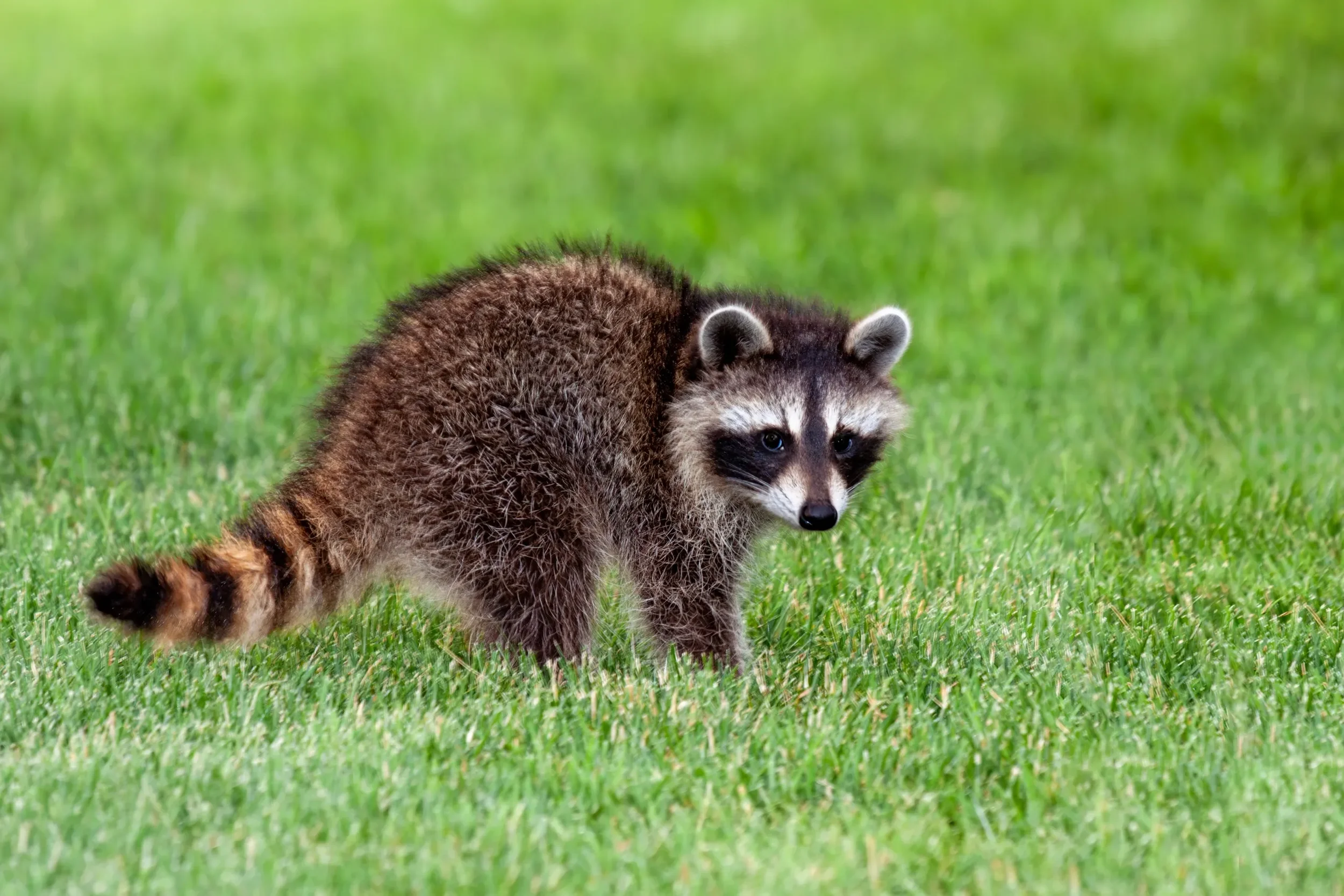
Raccoons
Observing a raccoon during the day does not mean rabies.
Mom may forage during daylight hours in the spring and summer (baby season). Both genders may forage during daylight hours during winter months when temperatures are warmer.
Distemper is impacting NC populations
Important:
Raccoon moms are excellent caregivers and raise the kits alone
Moms will use attics as a safe refuge from predation and the elements
Many “orphans” result from wildlife removal companies killing mom
Humane eviction and reunification are possible
▶️ Gates Wildlife Control reunification videos:https://www.youtube.com/user/gateswildlifecontrol
Humane Eviction Methods: The goal is to make the area less desirable.
Loud noises (loud radio)
Motion activated or strobed bright lights
Soaked apple cider vinegar rags or cotton balls - other odors they do not like (peppermint oil, predator urine such as fox, coyote, or human)
Repel-All (all natural ingredients and not harmful to children or pets)
DO NOT use mothballs (harmful to humans and animals)
DIY exclusion is cheaper and saves lives.
Public Notice: The canine distemper virus is predominately the killer of most wildlife, especially raccoons. The victims usually present with ocular and nasal discharge (“goopy” eyes and snotty nose), lethargy, head pressing due to a severe headache, ataxia (walking drunk like), tremors or seizures, and unaware of their surroundings. If you encounter a raccoon with such symptoms, please contact NC Wildlife Rehab immediately at 704-877-3037. No animal should be left to suffer a horrible death. Humane euthanasia is the last gift we can provide animals suffering.
Require immediate care if injured, orphaned, or sick.
Use thick gloves and towel to pick up
Contain in a secure carrier or bin
Keep the animal warm, dark, and quiet
If bitten, the raccoon must be euthanized—never allow handling.
➡️ Text NC Wildlife Rehab: 704-877-3037 regarding an injured, sick, or orphaned raccoon.